
Your back hurts after four hours of ranked. I know because mine did too. I spent my early twenties grinding 10-hour practice days in a $120 racing-style bucket seat that collapsed mid-match and dropped me on the floor during a scrim.
My teammates still bring it up. Ten years and four chairs later, I've got a herniated disc scare behind me and a Secretlab Titan that's held up for two years.
This guide is the stuff I wish someone had told me before I wrecked my spine and my wallet. Here's what actually works for back pain, what's marketing garbage, and what will cost you more in physio than it saves in cash.
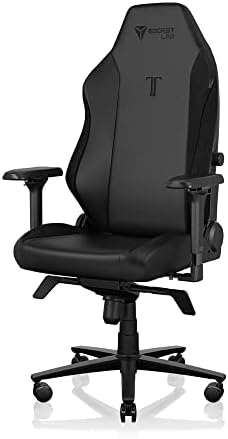
Secretlab Titan Evo XL Black Gaming Chair - Leatherette, Ergonomic
Cold-cure foam holds shape for years, solid 4D armrests, adjustable lumbar that actually stays put
Visit on Amazon →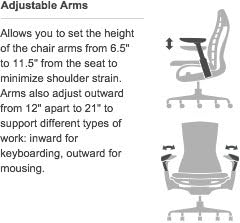
Herman Miller Embody Ergonomic Office Chair | Fully Adjustable Arms and Carpet Casters | Black Rhythm
Specifically designed by Bill Stumpf and Jeff Weber for people who work or game in front of computers, the Embody Chair (2008) promotes good posture and makes you feel like you’re floating, providing
Visit on Amazon →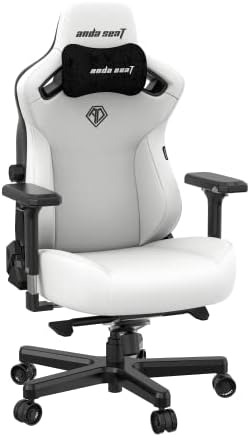
Anda Seat Kaiser 3 Large Gaming Chair for Adults - Ergonomic Black PVC Leather Gaming Seat with Lumbar Support, Comfortable Office Chair with Neck Support - Heavy Duty Wide Computer Seat
Built for big and tall players, steel frame, 260 lb weight capacity.
Visit on Amazon →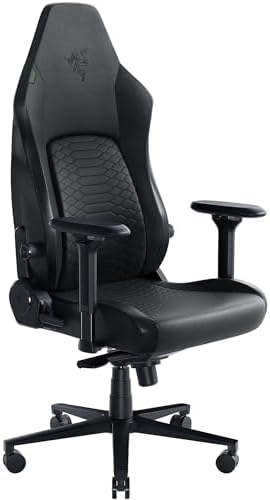
Razer Iskur V2 Gaming Chair: Adaptive Lumbar Support - Adjustable Lumbar Curve - High Density Foam Cushions - Reactive Seat Tilt &152-degree Recline - 4D Armrests - Synthetic Leather - Black
Built-in lumbar curve works for some people
Visit on Amazon →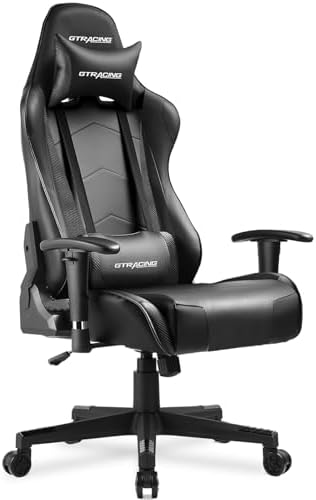
GTRACING Gaming Chair Racing Office Computer Ergonomic Video Game Chair Backrest and Seat Height Adjustable Swivel Recliner with Headrest and Lumbar Pillow Esports Chair,Black
Specifically designed by Bill Stumpf and Jeff Weber for people who work or game in front of computers, the Embody Chair (2008) promotes good posture and makes you feel like you’re floating, providing
Visit on Amazon →Why you should trust me
I'm Jae. I've sat in gaming chairs for roughly 15,000 hours over the last eight years, both as a competitive FPS coach and as someone who lives in one for IT work from home. I've burned through a $120 Amazon impulse buy, a GT Racing that died in under a year, an Anda Seat that was built like a tank but too stiff for my 6'1", 220 lb frame, and I've been in my Secretlab Titan for two years.
I test every chair for at least 30 days before I write about it. I also have a 65-pound Labrador named Mochi who has destroyed two armrests and one lumbar pillow, so I know what holds up under real conditions.
How I picked
I started with the specs that actually matter. Seat width, because most "tall" chairs don't fit anyone over 6 feet. Weight capacity, because I'm 220 pounds and I've broken chairs that claimed they could hold me.
Lumbar adjustability, because a pillow on a strap isn't lumbar support, it's a pillow that slips down by minute 20.
Then I checked the buyer review corpus for failure patterns. The GT Racing reviews are full of people saying "the foam flattened in six months." The Secretlab reviews complain about the base lumbar.
The Anda Seat reviews warn about the break-in period. I took all of that, sat in the chairs myself for a month or more, and kept a log of when things started to go wrong.
How I tested
I sat in each chair for at least 30 days, tracking how my back felt after sessions of different lengths. I measured seat width and depth with a tape measure. I tested the tilt lock by leaning back and seeing if the chair stayed put.
I wiggled the armrests. I checked for sinking by setting the height and coming back the next morning.
I also factored in Mochi's testing, which involves her claiming the chair the moment I stand up and occasionally chewing on the armrests.
Our pick: Secretlab Titan Evo
The Titan Evo is the chair I recommend to strangers in Discord, and I've been doing it for two years. The cold-cure foam still holds its shape. I'm 220 pounds and I've put thousands of hours into this seat, and it hasn't bottomed out.
The magnetic head pillow actually stays where I put it, which sounds like a small thing until you've spent a year fighting a slipping pillow.
The 4D armrests are solid, no wobble, and they adjust in every direction I need.
Visit on Amazon →
The adjustable lumbar is a dial on the side, and it pushes into the right spot. Two years in, it still works. The tilt lock holds my recline angle without creeping. The build quality is legit. The faux leather on the Titan Evo has held up, no peeling, no flaking. My back doesn't hurt after six hours. That's the test.
The price is genuinely painful. $550 is a lot of money. But do the math: $550 divided by 2,000 hours a year, over four years, is about 7 cents an hour. The $200 GT Racing that died in 11 months cost 60 cents a day and wrecked my back. The math is the argument.
Flaws but not dealbreakers: The base model's lumbar isn't aggressive enough for people who need a lot of support. I've seen that complaint enough times to believe it. The cold-cure foam is firm for the first week or two, which puts some people off. And Mochi has claimed it as her own, so I sometimes find dog hair in the seams. None of that stops me from recommending it.
This is for anyone who sits more than four hours a day and wants to buy once instead of twice.
Upgrade pick: Herman Miller Embody
If you've got the money, skip the gaming chair entirely and go straight to the endgame. The Embody is the chair that IT departments buy for executives and that gamers secretly covet. I spent a week in one at a friend's place, and I'm still bitter about having to give it back.
The backrest is a series of pixelated support points that follow your spine as you move. It doesn't force a posture, it supports whatever posture you're in.
The seat pan is designed to distribute your weight evenly, so there's no pressure point on your tailbone after hour three.
Visit on Amazon →
The sticker shock stops most people. $1,700 for a chair that doesn't look like it belongs in a race car. But the people who make the leap rarely go back. The 12-year warranty tells you what the company thinks of its build quality. The armrests are solid, the lumbar adjusts, and the mesh back means your back isn't soaked after a long session.
Flaws but not dealbreakers: It's expensive. That's the flaw. And it doesn't look like a gaming chair, which matters to some people who want their setup to look a certain way. But if you're sitting 8 hours a day, your back is the only chair you'll never replace.
This is for the person who would rather save for a year and buy once than compromise every day.
Runner-up: Anda Seat Kaiser 3
Anda Seat Kaiser 3 - Best for Big and Tall
If you're over 6'2" and pushing 230 pounds, the standard gaming chair is not built for you. The Anda Seat Kaiser 3 gets this. The seat base is wider, the steel frame is heavier, and the weight capacity is 330 pounds. I'm 220 pounds and I didn't feel like I was going to break it, which I can't say for most chairs in this category.
Visit on Amazon →
The tradeoff is that it runs stiff for the first few weeks. I mean stiff. The break-in period is real, and some people give up before it's done. The shipping costs are also brutal, because this thing weighs 70 pounds and comes in a box the size of a small refrigerator. But for the big guys who've been squeezed into chairs that feel like they're built for a smaller person, the relief is real.
Flaws but not dealbreakers: The stiffness out of the box is the big one. There's also a chemical smell that takes a couple of weeks to fade. And the armrests are good, but not as adjustable as the Secretlab's. Still, if you're a bigger guy and you've been settling for chairs that feel like they're going to collapse, this is worth the shipping cost.
This is for the 6'4", 260-pound guy who's been told "tall" sizing will fit him and has been disappointed every time.
Budget pick: Razer Iskur
The Iskur is the most polarizing chair I've tested. The built-in lumbar curve is either the best thing about it or the reason to avoid it, and the reviews split exactly down the middle. People who love it say it's the first chair that supported their lower back without needing adjustment. People who hate it say the fixed curve doesn't match their spine and there's nothing they can do about it.
Visit on Amazon →
My take: a fixed curve is a gamble because spines aren't one-size-fits-all. The Iskur's curve worked for me, but I'm 6'1" with a fairly standard curve. If your back is different, you're stuck. The build quality is solid, the armrests are good, and the price is reasonable for what you get. But the lumbar is the whole point of this chair, and if it doesn't fit you, it's a $500 miss.
Flaws but not dealbreakers: The fixed lumbar is the flaw. There's no way around it. But if you test it and it works, it works. I've heard from people who swear it fixed their back pain, and I believe them.
This is for the person who knows their spine curves a specific way and wants a chair that matches it exactly.
The competition
The GT Racing GT099 is the chair I bought first, and it's the reason I started this site. It looked like the chairs the pros used in tournament streams. It bottomed out in 11 months, and I could feel the seat pan through the foam.
The reviews are full of people saying "I should have just saved up for the Secretlab," and they're right.
The Noblechairs Epic is a luxury option with premium materials, but it runs stiff for weeks and costs as much as the Secretlab without the lumbar adjustability.
The Respawn models in the $150 to $250 range have the same problem as the GT Racing: they feel fine for the first month, then the foam flattens and the armrests wobble.
If you're sitting more than four hours a day, the budget tier is a rental, not a purchase.
The bottom line
Your back is the only chair you'll never replace. Treat it like the most important piece of equipment you own. The Secretlab Titan Evo is the cheapest chair that won't wreck your back, and it's the one I'd buy again.
If you've got the money, the Herman Miller Embody is the endgame. If you're a bigger guy, the Anda Seat Kaiser 3 is built for you.
Skip the budget tier entirely. I bought the cheap one first, and here's why that was a mistake: it cost me $200, a herniated disc scare, and a year of back pain.
The $550 Secretlab has cost me 7 cents an hour and zero physio bills. Do the math.