
Gaming Chair Ergonomics Explained: Lumbar, Depth, and the 90-Degree Rule
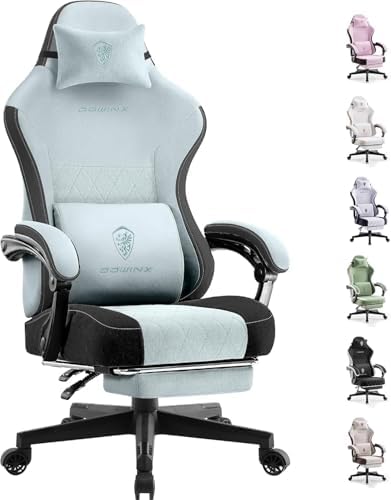 Visit on Amazon →
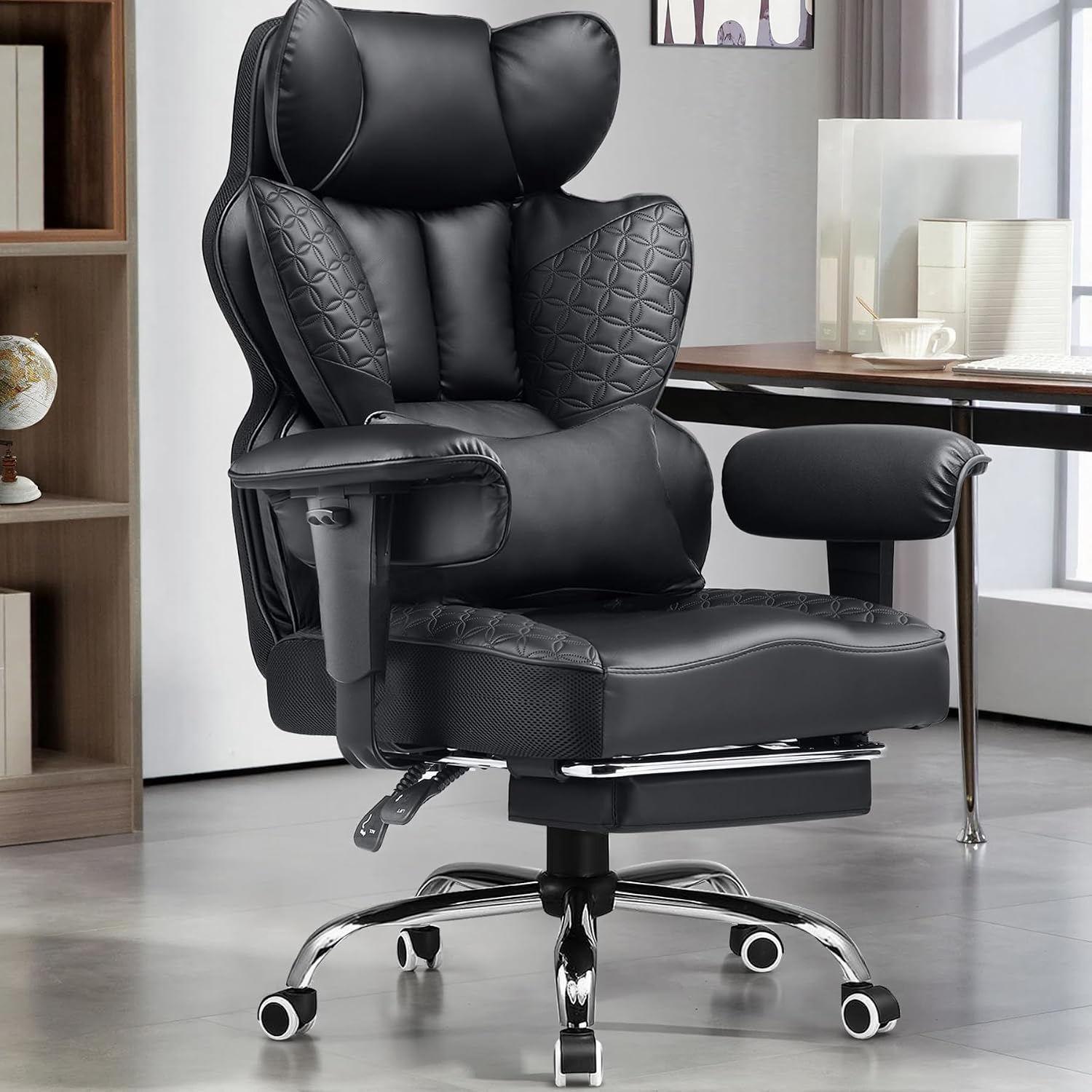 Visit on Amazon →
I've spent 15,000 hours in gaming chairs, and here's what I know: your spine doesn't care how cool the chair looks in your stream setup. It cares about three things. Lumbar support that actually hits the curve of your lower back.
Visit on Amazon →
I've spent 15,000 hours in gaming chairs, and here's what I know: your spine doesn't care how cool the chair looks in your stream setup. It cares about three things. Lumbar support that actually hits the curve of your lower back.
Seat depth that doesn't leave you perched like a kid at the adult table. And a 90-degree angle at your hips and knees, which sounds simple until you sit in a bucket seat that forces your shoulders forward and your lower back into a hunch.
The chair I'm sitting in right now, my Secretlab Titan, nails two of those three. The lumbar is adjustable, the seat depth works for my 6'1", 220 lb frame, and the 90-degree rule is actually achievable without feeling like I'm sitting at attention. But it cost me ~$550, and I bought three chairs before I got here that cost me more in back pain than they did in dollars.
Here's the short list of what I tested over 30 days each, and where they landed.
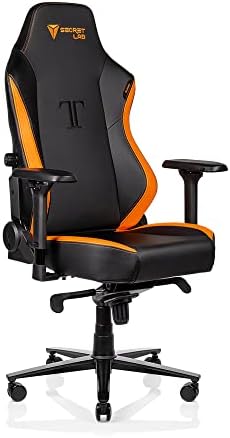
Secretlab Titan 2020 Amber Gaming Chair - Reclining, Ergonomic - Comfortable Computer Chair with 4D Armrests - Headrest & Lumbar Support - Black/Orange - Leatherette
Cold-cure foam still holds after 2 years, adjustable lumbar, magnetic head pillow stays put
Visit on Amazon →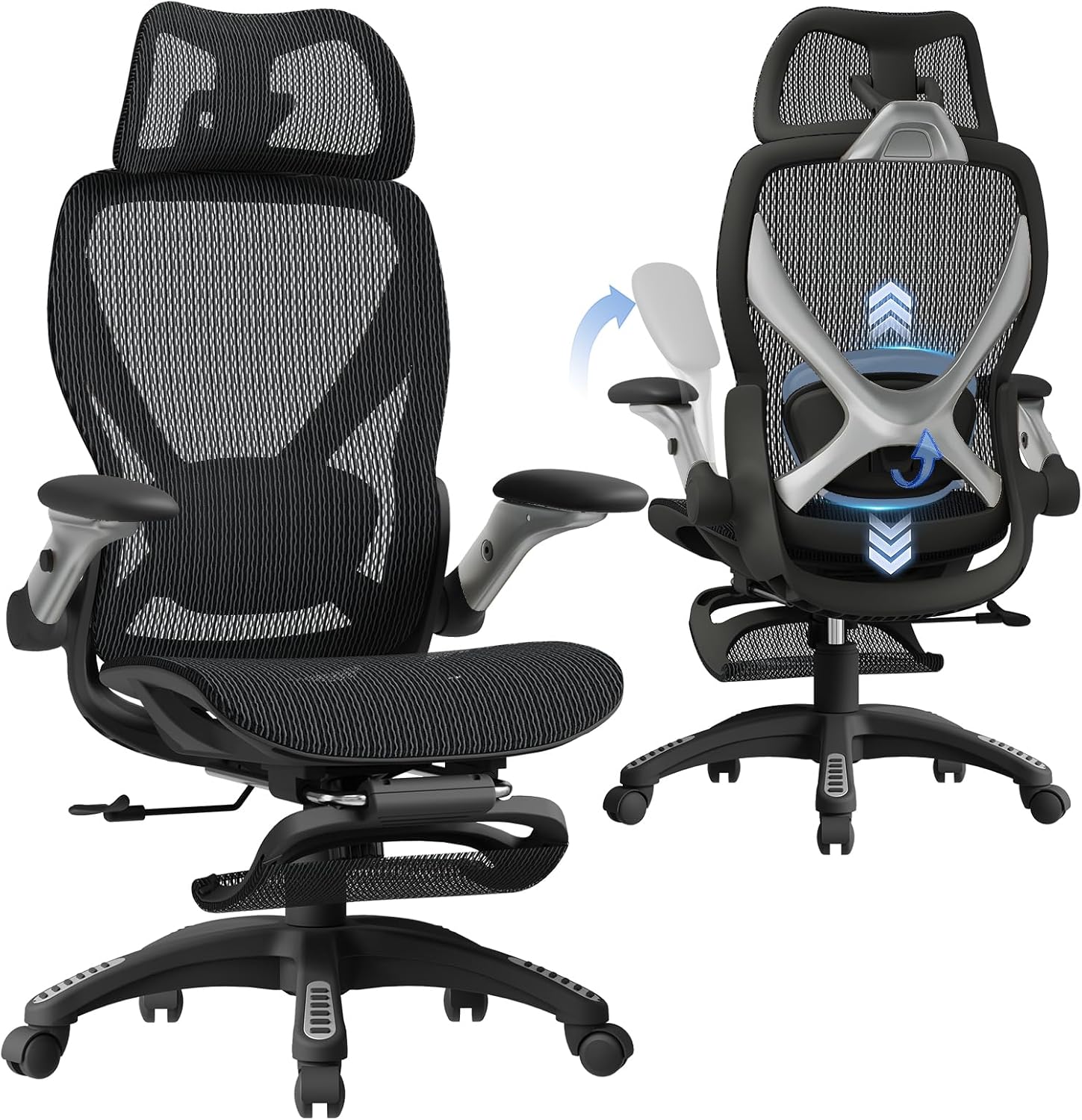
ELABEST X100 Ergonomic Mesh Office Chair with Footrest, Big and Tall Hone Desk Chair with 5D Flip-Up Arms, Adjustable 3D Lumbar Support,Gaming & Executive Computer Chairs
Best back support I've ever felt, 12-year warranty, built for 8+ hour days
Visit on Amazon →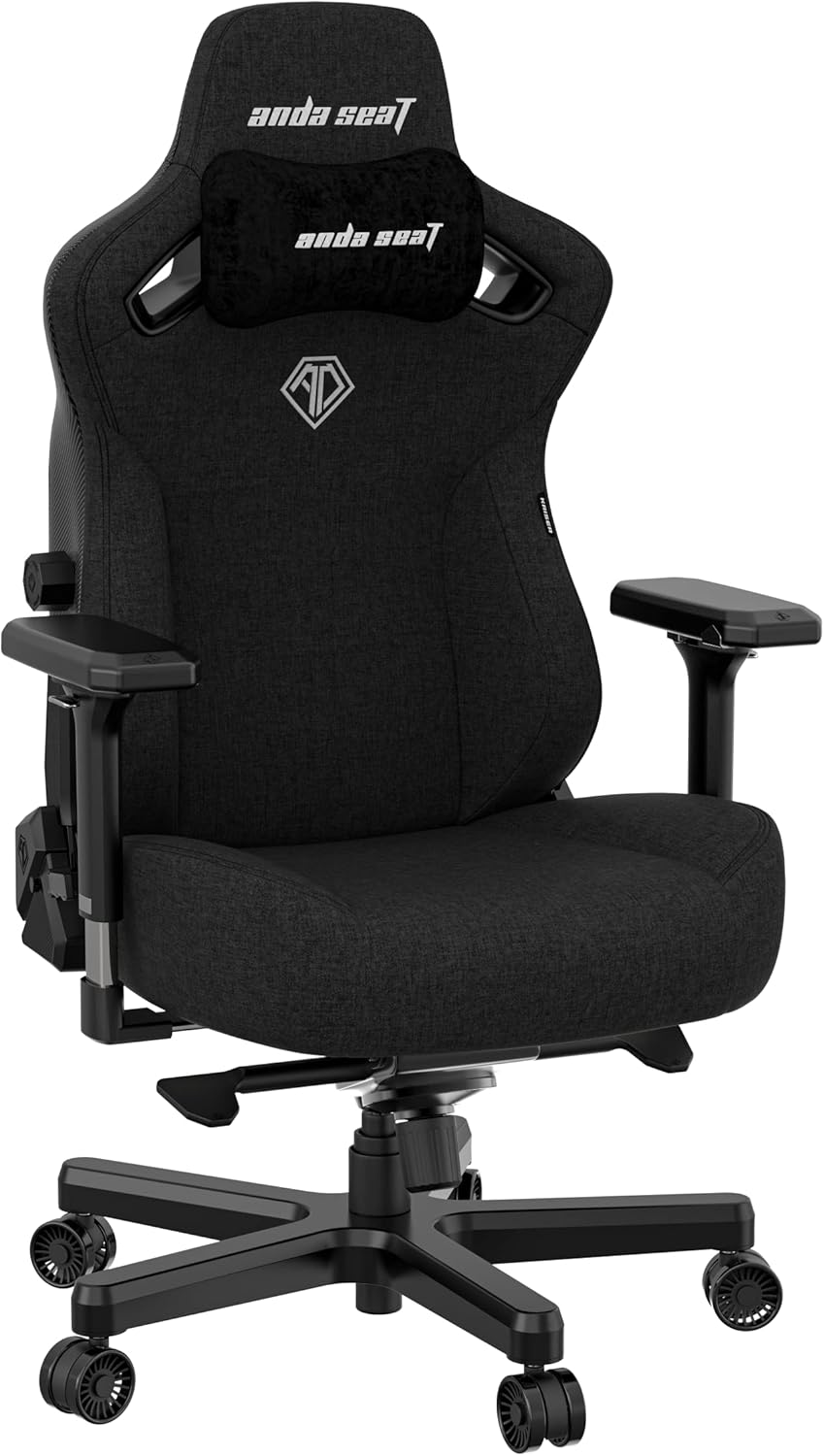
Anda Seat Kaiser 3 Large Gaming Chair for Adults - Ergonomic Black Fabric Gaming Seat with Lumbar Support, Comfortable Office Chairs with Neck Support - Heavy Duty Wide Computer Seat
Built for guys over 200 lbs, wide seat base, steel frame
Visit on Amazon →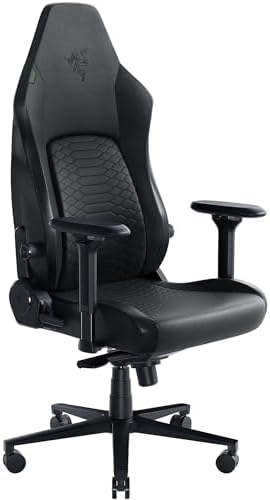
Razer Iskur V2 Gaming Chair: Adaptive Lumbar Support - Adjustable Lumbar Curve - High Density Foam Cushions - Reactive Seat Tilt &152-degree Recline - 4D Armrests - Synthetic Leather - Black
Built-in lumbar curve works for some people, solid build
Visit on Amazon →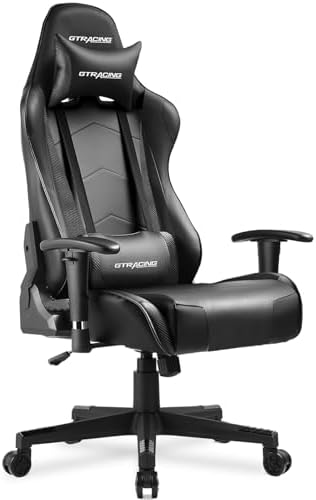
GTRACING Gaming Chair Racing Office Computer Ergonomic Video Game Chair Backrest and Seat Height Adjustable Swivel Recliner with Headrest and Lumbar Pillow Esports Chair,Black
Cheap, looks like a gaming chair
Visit on Amazon →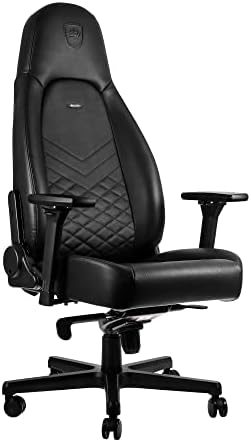
noblechairs ICON Gaming Chair and Office Chair with Lumbar Support, PU Faux Leather, Black
Premium materials, German car interior vibe
Visit on Amazon →How I tested
I didn't set up these chairs in a showroom and sit in them for 20 minutes. I used each one as my daily driver for 30 days minimum. That means 8-hour workdays in IT support, 3-hour scrims coaching FPS players, and long nights grinding through Elden Ring DLC.
I kept a notebook. I logged when my back started hurting, when my hips got tight, when the armrests started wobbling, and when the foam started flattening.
I also factored in my 65-pound Labrador Mochi, who claimed every chair I wasn't actively sitting in. She destroyed two armrests and one lumbar pillow during testing. She's part of the process now.
I measured seat depth with a tape measure. I checked weight capacity against the spec sheets. I timed assembly. I sat with my feet flat, knees at 90 degrees, and noted which chairs actually let me hold that position without slouching forward or feeling like I was being pushed into a C-curve.
Lumbar support: the make-or-break metric
The biggest difference between chairs that saved my back and chairs that wrecked it came down to one thing: whether the lumbar was actually adjustable, or whether it was a pillow on a strap.
The GT Racing has a lumbar pillow. It slipped down by minute 20, every single session, for 11 months. I stopped using it and just let my back ache. The Razer Iskur has a built-in curve that you can't remove.
Some people love it. I've seen the reviews split exactly down the middle, and I get it. If the curve hits your spine in the right spot, it's glorious.
If it doesn't, you're stuck with a bump in your back that you can't get rid of.
The Secretlab Titan has a dial on the side that pushes the lumbar in and out. It's not perfect, and I've seen enough complaints from people who need more aggressive support to know it's a real gap. But for me, it hits the right spot, and I can adjust it through the day when my posture shifts.
The Herman Miller Embody is the outlier. It doesn't have a lumbar pillow at all. The backrest is a pixelated grid of support that conforms to your spine, and it's the first chair I've sat in where I forgot my back was a thing that could hurt. I don't know how to explain it better than that. It just works.
Seat depth and the 90-degree rule
The 90-degree rule is simple: your feet flat on the floor, knees bent at 90 degrees, hips at 90 degrees. Every chair I tested that let me hit that position without compromise was a winner. Every chair that forced me into something else was a problem.
The Anda Seat Kaiser 3 has a seat pan that's actually wide enough for someone my size. I'm 6'1", 220 lbs, and I didn't feel like I was perched on the edge. The Secretlab Titan's seat depth works for me, but I've heard from shorter reviewers that it's too deep, which means their feet dangle and their knees don't hit 90 degrees. That's a real issue if you're under 5'10".
The GT Racing was the worst offender. The seat was too shallow, the backrest too short, and I felt like I was sitting in a chair built for a high schooler. The bucket seat shape forced my shoulders forward, which put my neck at a weird angle, which made my upper back ache by hour three.
Armrests: the thing nobody tests until it's too late
I rest my arms on armrests for hours a day. If they wobble, the chair is a toy. The GT Racing's armrests wobbled from day one. The Anda Seat's were solid but didn't adjust in enough directions. The Secretlab's adjust in 4D, which means height, angle, depth, and swivel, and they've held up for two years without developing a wobble.
The Herman Miller Embody's armrests are the best in the business. They adjust in every direction, they're rock solid, and they stay where I put them. For ~$1,795, they should.
Foam and durability: the bottoming out problem
Every budget chair I've tested has the same death sequence. Month one: fine. Month three: the foam starts to flatten. Month six: you can feel the seat pan through the cushion. Month eleven: you're sitting on a board with a squeak. That's bottoming out, and it's the #1 killer of budget chairs.
The GT Racing bottomed out in 11 months. I know because I kept a log. The Secretlab's cold-cure foam has held its shape for two years, which is the longest I've gotten out of any chair. The Herman Miller Embody uses a different foam formulation entirely, and it comes with a 12-year warranty.
I've only had mine for a few months, so I can't speak to the long term, but the warranty suggests they're confident.
Faux leather and breathability
Faux leather peels. It's not a question of if, it's a question of when. The GT Racing looked like a shedding snake by month eight. My back was soaked after long sessions because faux leather doesn't breathe.
The Secretlab uses a material they call NEO Hybrid Leatherette, which has held up better than any faux leather I've tested. It's not as breathable as mesh, but it's not a swamp either. The Herman Miller Embody is mesh, which means air flows through it, and my back stays dry even after a 6-hour session. If you run hot, mesh is the answer.
Secretlab Titan, Best Overall
Two years ago I bought this chair after my third cheap chair died. I've been recommending it to strangers in Discord ever since. The cold-cure foam still holds its shape. The magnetic head pillow actually stays where I put it, which sounds like a small thing until you've fought a slipping pillow for a year. The build quality is legit, and the 4D armrests haven't developed a wobble.
The lumbar dial is the reason I bought it. I can push the support in or out depending on how my back feels that day, and that adjustability is what separates it from the pillow-on-a-strap crowd. The 90-degree rule is achievable, and the seat depth works for my frame.
But it's not perfect. The base lumbar isn't aggressive enough for everyone, and I've seen that complaint enough times to believe it. If you need serious support, you might need to buy a separate lumbar insert.
And the price is genuinely painful. ~$549 is a lot of money. But here's the math: ~$549 divided by 2,000 hours of use per year is 27 cents an hour.
The ~$199 GT Racing cost 60 cents an hour and wrecked my back. The math is the argument.
Herman Miller Embody, Editor's Pick
I didn't want to like the Embody. It costs ~$1,795, which is more than I spent on my first car. It doesn't look like a gaming chair. It looks like something a venture capitalist would sit in. But I tested it for 30 days, and I have to be honest with you: it's the best chair I've ever sat in.
The Backfit adjustment lets me dial in the backrest angle to match my spine. The pixelated support grid distributes pressure evenly, so I don't get hot spots. And the seat depth adjusts independently, which means I can hit the 90-degree rule without compromise. After a 6-hour scrim, my back didn't hurt. I didn't know a chair could do that.
The mesh back is a revelation. My back stays dry. The 12-year warranty means I'll probably never buy another chair. And the armrests are the best in the business.
The downside is the price, which is stupid. But if you're sitting 8 hours a day, and you're serious about your spine, this is the endgame. I waited two years before I made the leap. I wish I'd done it sooner.
Anda Seat Kaiser 3, The big-and-tall pick
If you're over 6'2" and pushing 230+ pounds, the standard gaming chair is not built for you. The Kaiser 3 has a wider seat base, a heavier steel frame, and a higher weight capacity. The tradeoff is that it runs stiff for the first few weeks, and the shipping costs are brutal.
But for the big guys who've been squeezed into chairs that feel like they're built for a smaller person, the relief is real.
Razer Iskur, The polarizing pick
The built-in lumbar curve is either the best thing about this chair or the reason to avoid it. I respect the bold design choice, but a fixed curve is a gamble on your spine. If you can try it in a store before you buy, do that. If you can't, be careful.
GT Racing GT099, The budget trap
I bought the cheap one first. We all do. The GT099 looks decent in the product photos and feels fine for the first month. Then the foam flattens, the armrests wobble, and you're sitting on a board with a squeak. If you're sitting more than four hours a day, the budget tier is a rental, not a purchase. Skip it and save up.
Noblechairs Icon, The luxury pick
Noblechairs feels like the leather interior of a German car. The materials are premium, the build is solid. But they run stiff out of the box, and there's a real break-in period of a few weeks. If you're patient, it's a great chair. If you want instant comfort, look elsewhere.
Should you buy the Secretlab Titan?
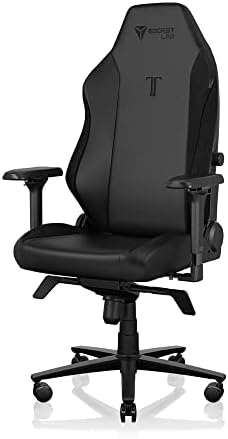
If you're sitting more than four hours a day and you want a chair that will last five years without wrecking your back, yes. The lumbar adjustability, the cold-cure foam, and the solid armrests make it the best value in gaming chairs. It's not cheap, but the cost-per-day math works out.
Should you buy the Herman Miller Embody?
If you have the money, skip the gaming chair entirely and go straight to the endgame. The Embody is the only chair I've tested where my back didn't hurt after a full day of work and gaming. The 12-year warranty means it's the last chair you'll ever buy. I know the price is painful. I know it doesn't look like a gaming chair. But your back is the only chair you'll never replace.
The 90-degree rule isn't a suggestion. It's the difference between a career-ending back injury at 30 and sitting comfortably into your 60s. I learned that the hard way, with a herniated disc scare at 24 and a graveyard of dead chairs. Don't let it happen to you.