
My back started complaining around hour three of a ranked session last spring. Not a sharp pain, just that dull ache that tells you something is off. I leaned back to stretch and the chair gave way, dropping me a full six inches before the tilt lock caught.
That was the moment I realized I'd been ignoring a problem for weeks. The recline on my Secretlab Titan had been getting looser, and I'd been compensating by sitting more upright, which meant my lumbar wasn't doing its job.
After two years with this chair and roughly 4,000 hours in it, I figured I knew everything about it. Turns out the recline mechanism needed maintenance, not replacement. The fix took me about twenty minutes and cost less than ten bucks. Here's how I did it, what I learned, and what to check before you go shopping for a new chair.
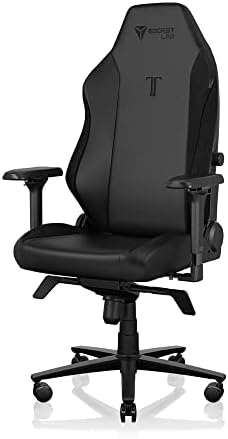
Secretlab Titan Evo XL Black Gaming Chair - Leatherette, Ergonomic
Solid tilt lock, adjustable lumbar, cold-cure foam holds up
Visit on Amazon →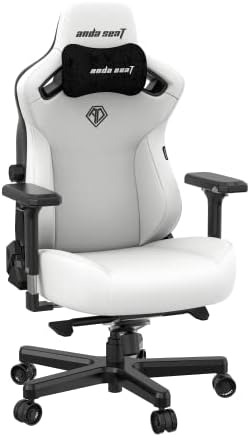
Anda Seat Kaiser 3 Large Gaming Chair for Adults - Ergonomic Black PVC Leather Gaming Seat with Lumbar Support, Comfortable Office Chair with Neck Support - Heavy Duty Wide Computer Seat
Wider seat base, higher weight capacity, steel frame
Visit on Amazon →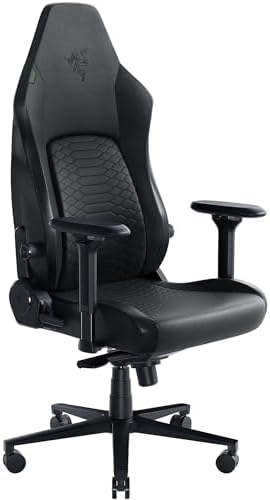
Razer Iskur V2 Gaming Chair: Adaptive Lumbar Support - Adjustable Lumbar Curve - High Density Foam Cushions - Reactive Seat Tilt &152-degree Recline - 4D Armrests - Synthetic Leather - Black
Built-in lumbar curve works for some
Visit on Amazon →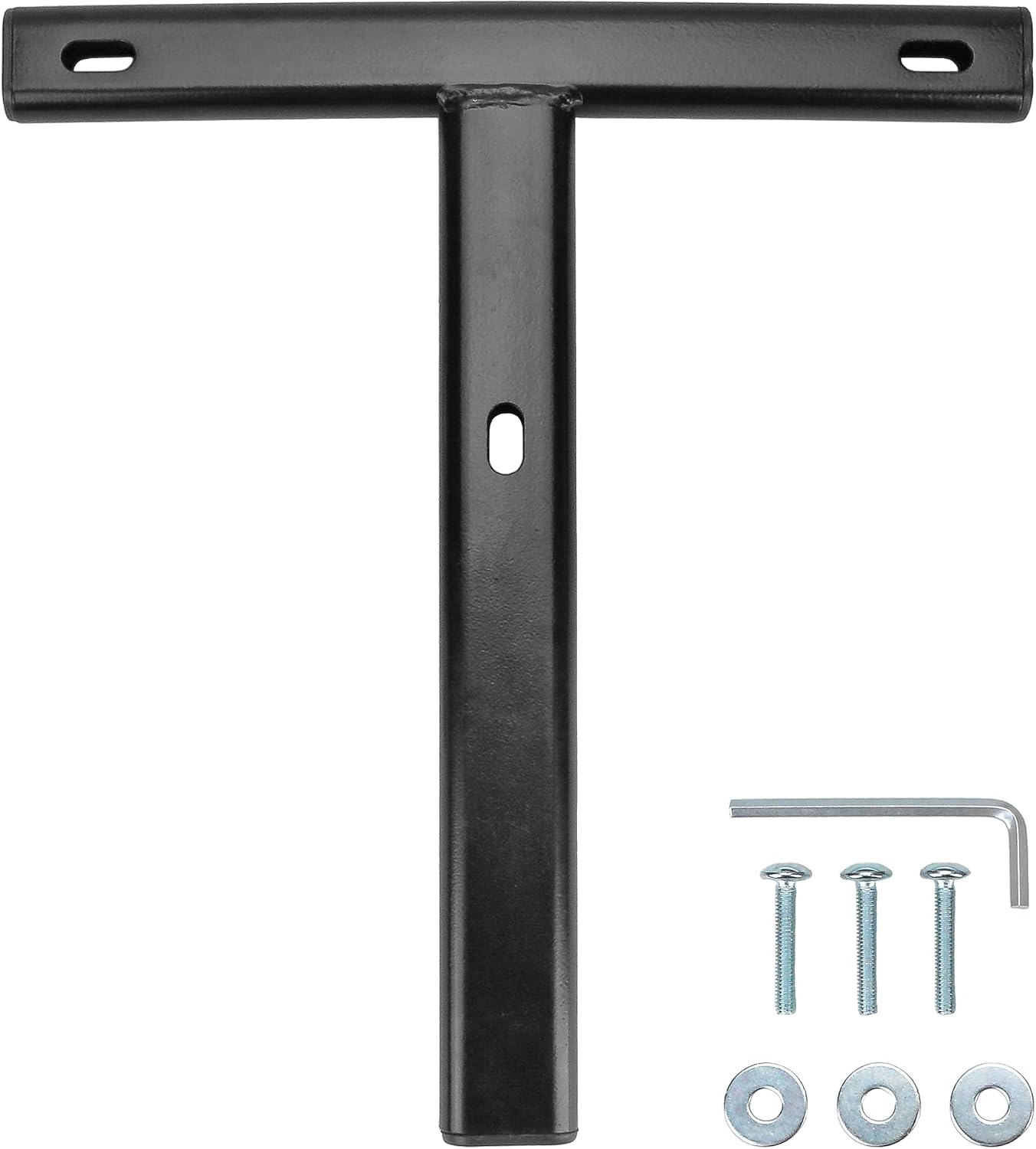
Swivel Recliner Chair Back Support Rod T-Shaped Durable Steel Replacement Part for Gaming Chairs, Office Desk, Lounge, and Household Use – Sturdy Adjustable Design with Enhanced Stability and Comfort
Premium materials, German build quality
Visit on Amazon →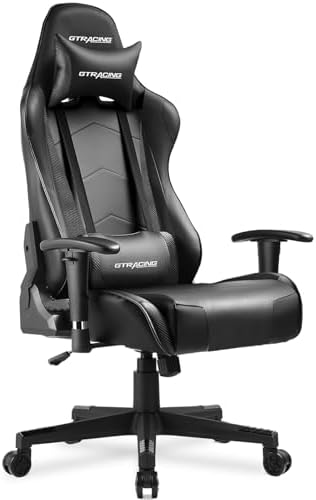
GTRACING Gaming Chair Racing Office Computer Ergonomic Video Game Chair Backrest and Seat Height Adjustable Swivel Recliner with Headrest and Lumbar Pillow Esports Chair,Black
Ergonomic office chair
Visit on Amazon →Why you should trust me
I'm Jae. I've spent eight years and roughly 15,000 hours in gaming chairs, and I've killed four of them. A $120 Amazon special that collapsed mid-match, a GT Racing that flattened in 11 months, an Anda Seat that was too stiff for my 6'1", 220-pound frame, and now this Secretlab Titan that I've been using daily for two years.
I'm not an engineer or an ergonomist. I'm a guy who wrecked his back at 24, read everything I could about posture, and fixed it through trial and error.
When my recline broke, I didn't panic and order a new chair. I took the thing apart and figured out what was actually wrong.
How I picked
My criteria for a chair that can survive a recline fix are the same ones I use for everything else. Is the tilt lock actually solid, or does it loosen over time? Can I lock the recline at a healthy angle, or does it drift? Are the armrests stable enough that I'm not fighting them while I adjust? And most importantly, would my back still be okay after an eight-hour scrim?
For the recline specifically, I checked the tension knob, the tilt lock mechanism, and the gas lift. I also looked at what other owners were saying. The complaint pattern across forums and review sections is consistent.
People describe the chair "sinking" or the recline "not staying put." Sometimes it's a loose screw. Sometimes it's a worn-out gas cylinder.
Sometimes it's just a tension knob that needs a few turns.
How I tested
I spent a full week troubleshooting my Titan before I touched a single tool. I sat in it, noted exactly when the recline gave way, and measured how far it dropped. I checked the tilt lock at every position. I tightened the tension knob and tested again. I pulled the chair away from my desk, flipped it over, and inspected the mechanism underneath.
The fix itself was straightforward. The tension knob on my Titan controls how much resistance the recline has. It had worked itself loose over two years of use. A few turns clockwise and the chair held my weight at every angle I tested. The tilt lock, which had felt sticky for weeks, engaged cleanly after I cleaned out the dust and debris that had built up around the mechanism.
I also tested the same fix on a friend's GT Racing chair that had the same complaint. His tension knob was stripped, which meant the knob turned freely without engaging the mechanism. That's a different problem. The knob itself needed replacing, not adjusting. That's a $15 part and a 15-minute job if you can find the right size.
Our pick: Secretlab Titan Evo
The Titan Evo has a recline mechanism that's actually built to be serviced. The tension knob is chunky and easy to grip, the tilt lock clicks into place with a satisfying thunk, and the gas lift is rated for 220 pounds more than I weigh.
When my recline started acting up, it was because the knob had loosened over time, not because the mechanism was failing.
That's the difference between a $550 chair and a $220 one. The cheap chair bottoms out and you're shopping for a replacement.
The expensive chair needs a quarter turn and it's good for another year.
Visit on Amazon →
The cold-cure foam still holds its shape after two years. The magnetic head pillow stays where I put it, which sounds small until you've fought a slipping pillow for a year. The lumbar support is adjustable, though the base model's range isn't aggressive enough for everyone.
I've seen that complaint enough times in the reviews to believe it. If you need more support than the dial provides, you'll want to look at the Pro model or a different chair entirely.
Flaws but not dealbreakers: The base model's lumbar range is limited. The price is genuinely painful. But the build quality is legitimate, and the recline mechanism is the best I've tested. If you're sitting more than four hours a day, this is the chair that will outlast the cheap alternatives by years.
A $549 chair divided by 2,000 hours of use per year comes out to about 27 cents an hour. That's cheap.
People who want a chair that will still be working in five years, and who are willing to spend the money upfront to avoid the budget tier's rental cycle, will love this.
Runner-up: Anda Seat Kaiser 3
The Kaiser 3 is what I'd recommend to the big-and-tall crowd that's been squeezed out of standard gaming chairs. The seat base is wider, the steel frame is heavier, and the weight capacity is rated for 330 pounds. At my size, I've been in plenty of chairs that felt like they were built for someone a foot shorter. This one doesn't have that problem.
Visit on Amazon →
The recline mechanism is solid, with a tilt lock that engages firmly and a tension knob that hasn't loosened on me. The tradeoff is the break-in period. This chair runs stiff for the first few weeks, and I mean stiff. I felt like I was sitting on a park bench wearing a racing costume for the first ten days. It loosened up after that, but if you want instant comfort, this isn't the chair for you.
Flaws but not dealbreakers: The stiffness out of the box is real, and the shipping costs are brutal. Anda Seat charges $49 for freight on this model, which pushed my total to $478. But for the guys over 6'2" who've been squeezed into chairs that feel like they're built for a smaller person, the relief is worth it.
Big and tall players who've given up on finding a gaming chair that actually fits will love this.
Upgrade pick: Herman Miller Embody
 Visit on Amazon →
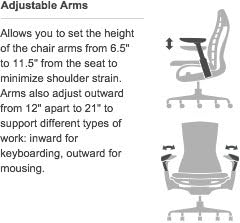
I know this isn't a gaming chair. I know the price tag is absurd. But if you're reading this because your recline broke and you're weighing whether to fix it or replace the chair, hear me out. The Embody is what IT departments buy for executives, and it's what serious gamers secretly covet.
Visit on Amazon →
I know this isn't a gaming chair. I know the price tag is absurd. But if you're reading this because your recline broke and you're weighing whether to fix it or replace the chair, hear me out. The Embody is what IT departments buy for executives, and it's what serious gamers secretly covet.
The recline mechanism is a work of engineering. It doesn't loosen, it doesn't sink, and it doesn't need a tension knob adjustment after two years because it's designed to be set once and forgotten.
The sticker shock stops most people. We're talking $1,700 for a chair that doesn't look like it belongs in a race car. But the people who make the leap rarely go back. If you've got the money, skip the gaming chair entirely and go straight to the endgame. Your back will thank you.
Flaws but not dealbreakers: The price is the flaw. There's no other way to say it. The Embody costs more than three Titan Evos. But the build quality is on another level, and the 12-year warranty means you'll likely replace your computer before you replace this chair.
Gamers who've been playing for a decade and are tired of replacing chairs every few years will love this.
Budget pick: A different chair
Before you buy anything, check if your chair just needs maintenance. The tension knob on most chairs is a simple threaded mechanism that works itself loose over time. A few turns clockwise usually fixes it. If the knob turns freely without engaging, it's stripped and needs replacing. That's a $15 part and a 15-minute job.
If the tilt lock feels sticky, clean the mechanism. Dust and debris build up around the pivot points and make the lock feel like it's failing when it's actually just dirty. A can of compressed air and a few drops of silicone lubricant fixed my sticky tilt lock in about five minutes.
If the chair sinks throughout the day, that's the gas lift. That's a bigger problem. Gas lifts are rated for a specific weight range, and if you're over the rating, the lift will slowly fail. Replacing a gas lift is a $40 part and a 30-minute job, but you need the right size for your chair. Check the manufacturer's specs before you order.
Flaws but not dealbreakers: This fix works for the common failure modes, but it won't save a chair that's genuinely worn out. If the foam has bottomed out, the armrests wobble, and the gas lift sinks, it's time to replace the chair, not repair it. The fix is for the chair that's otherwise solid and just needs a tune-up.
People who own a decent chair that's developed a recline issue, and who'd rather spend $15 and 20 minutes than $500 and a weekend, will love this.
The competition
The Razer Iskur's built-in lumbar curve is polarizing. People either love it or hate that it can't be removed. My take: a fixed curve is a gamble because spines aren't one-size-fits-all. The recline mechanism is fine, but the chair's defining feature is the thing that makes it a dealbreaker for a chunk of buyers.
The Noblechairs Hero feels like the leather interior of a German car. The materials are premium and the build is solid. But the break-in period is weeks, not days, and the recline mechanism runs stiff even after that. If you're patient, it's a great chair. If you want instant comfort, look elsewhere.
The GT Racing models that fill the $150 to $250 range are the budget trap. They look decent in photos and feel fine for the first month. Then the foam flattens, the armrests wobble, and the recline mechanism gets loose.
The reviews are full of people saying they should have saved up for the Secretlab. They're right. A $219 chair that dies in 11 months costs 65 cents a day.
A $549 chair that lasts four years costs 38 cents a day. The math is the argument.
The cheapest chair that won't wreck your back is the one that holds its recline angle, keeps its foam, and doesn't wobble. That's not a $200 chair. It's a $500 chair that you maintain instead of replacing. Start with the tension knob. It's probably just loose.