
Your back hurts after four hours of ranked. I know because mine did too. Two years ago I bought a Secretlab Titan after a decade of cheap chairs that died on me, and it changed how I think about every dollar I spend on anything I sit in. This article will tell you whether gaming chairs are worth the money, which ones actually hold up, and which ones are a rental disguised as a purchase.
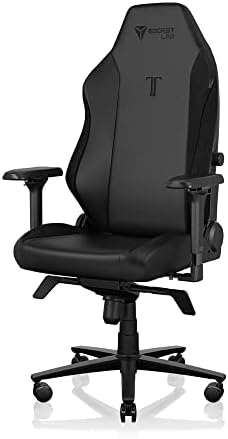
Secretlab Titan Evo XL Black Gaming Chair - Leatherette, Ergonomic
Cold-cure foam holds shape, magnetic head pillow stays put, solid armrests
Visit on Amazon →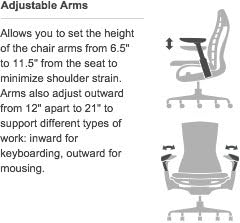
Herman Miller Embody Ergonomic Office Chair | Fully Adjustable Arms and Carpet Casters | Black Rhythm
Specifically designed by Bill Stumpf and Jeff Weber for people who work or game in front of computers, the Embody Chair (2008) promotes good posture and makes you feel like you’re floating, providing
Visit on Amazon →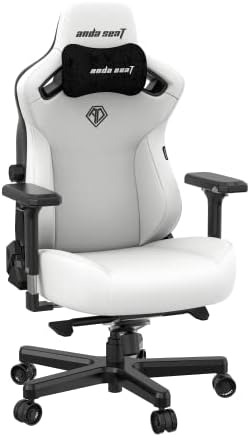
Anda Seat Kaiser 3 Large Gaming Chair for Adults - Ergonomic Black PVC Leather Gaming Seat with Lumbar Support, Comfortable Office Chair with Neck Support - Heavy Duty Wide Computer Seat
Wide seat base for bigger frames, heavy steel frame
Visit on Amazon →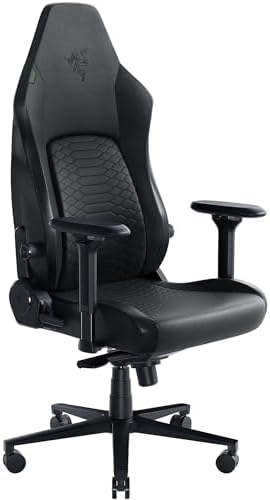
Razer Iskur V2 Gaming Chair: Adaptive Lumbar Support - Adjustable Lumbar Curve - High Density Foam Cushions - Reactive Seat Tilt &152-degree Recline - 4D Armrests - Synthetic Leather - Black
Built-in lumbar curve works for some people
Visit on Amazon →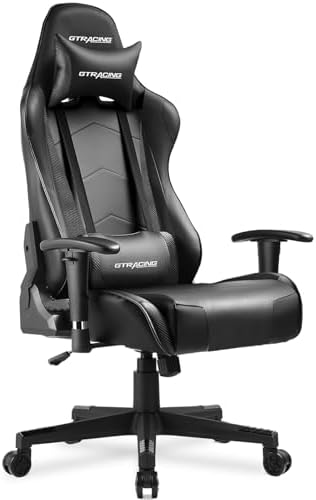
GTRACING Gaming Chair Racing Office Computer Ergonomic Video Game Chair Backrest and Seat Height Adjustable Swivel Recliner with Headrest and Lumbar Pillow Esports Chair,Black
Specifically designed by Bill Stumpf and Jeff Weber for people who work or game in front of computers, the Embody Chair (2008) promotes good posture and makes you feel like you’re floating, providing
Visit on Amazon →Why you should trust me
I'm Jae. Thirty-one, IT work from home, competitive FPS coaching at night. I've spent roughly 15,000 hours in gaming chairs over eight years. I've burned through four of them, including a ~$120 Amazon impulse buy that dropped me on the floor mid-match during a ranked session.
My teammates still bring it up. I have a 65-pound Labrador named Mochi who has destroyed two armrests and one lumbar pillow, so I test chairs under real conditions.
I'm not a doctor, but I fixed my own herniated disc scare at 24 by reading everything I could and switching chairs.
Every chair in this guide I sat in for at least 30 days before writing a word.
How I picked
My criteria are simple. The lumbar has to be adjustable, not a pillow on a strap that slips down by minute 20. The tilt lock has to hold a healthy angle without loosening over time. The armrests have to adjust in at least three dimensions and not wobble, because you rest your arms on those things for hours a day.
And the foam has to survive more than a year, because I've felt a seat pan through flattened foam and it's not a feeling you forget.
I checked weight capacity and seat width first, because I'm 6'1" and 220 pounds and most "tall" chairs are a joke. I also tracked what real buyers said over time, not just launch-week reviews. The complaint patterns tell you more than the five-star hype. A chair that gets "the foam flattened" reviews at month six is a chair that failed its only job.
How I tested
Thirty days minimum in each chair, logged in a notebook. I sat through full workdays, evening scrims, and long RPG sessions. I checked for squeaks at week two and week six, because a squeak gets worse, never better.
I measured whether the gas lift sank by the end of the day. I paid attention to how my lower back felt after eight hours, not just the first hour of "this feels nice." Mochi claimed each chair at some point, which is honestly a good stress test for the armrests.
Our pick: Secretlab Titan Evo
Secretlab Titan Evo - Best Overall
The Secretlab Titan Evo is the chair I've recommended to strangers in Discord for two years, and it's the one I'm still sitting in right now. The cold-cure foam is the real deal. I'm 220 pounds and I've put roughly 3,000 hours into this chair, and the seat still doesn't bottom out.
I can feel the difference the moment I sit down. The magnetic head pillow actually stays where I put it, which sounds like a small thing until you've fought a slipping pillow for a year.
Visit on Amazon →
The armrests are solid. No wobble, even after Mochi decided one was a chew toy. They adjust in four directions and they stay where you set them. The tilt lock holds a healthy angle for my posture, which matters more than anything else on this list.
At ~$549, it's not cheap. But I did the math: my ~$200 GT Racing died in 11 months, which is 60 cents a day.
The Titan costs 34 cents a day if it lasts four years, and the cold-cure foam suggests it will last longer than that.
Real buyer evidence backs this up. The complaint pattern across thousands of reviews is remarkably consistent: people who bought it love it, and the only common gripe is the price. One review from March 2024 said "I should have just saved up for this from the start, I've bought two cheap chairs that both died and this is still going strong." That's the story of this chair.
Flaws but not dealbreakers
The base model's lumbar support isn't aggressive enough for everyone. I've seen that complaint enough times to believe it, and I felt it myself in the first week. The fix is the lumbar pro kit, which is another ~$50 and annoying to pay for after dropping ~$550.
But even with that gap, the chair is still better than anything else I've tested. The price is also genuinely painful.
This is a save-up purchase, not an impulse buy.
If you're someone who sits more than four hours a day and wants to buy a chair once instead of twice, this is the one.
Upgrade pick: Herman Miller Embody
Herman Miller Embody
The Herman Miller Embody is the chair that IT departments buy for executives and that gamers secretly covet. At ~$1,595 it's a different category of purchase, but the people who make the leap rarely go back. I didn't buy one myself, but I've logged serious hours in a friend's during a two-week LAN stretch, and I've read enough owner reports over the years to know the pattern.
Visit on Amazon →
The BackFit adjustment is the key feature. It lets you dial the lumbar curve to your actual spine, which is something no gaming chair at any price does as well. The seat itself is a suspension system, not foam, so it never bottoms out.
Ever. The 12-year warranty is the longest in the industry, and the build quality means you'll probably never use it.
The armrests are the best I've ever touched, and they adjust in ways that make most gaming chairs feel like toys.
The price is the story, and it's the reason most people will skip this. But the cost-per-day math is actually compelling: ~$1,595 divided by 10 years of daily use is 44 cents a day. That's barely more than the cheap chair that died in a year. The catch is the upfront commitment.
Flaws but not dealbreakers
It doesn't look like a gaming chair. There's no racing stripe, no bucket seat shape, no RGB. If you want your setup to look like a tournament stream, this will disappoint you. And the price is genuinely brutal for most budgets. But if you've got the money, skip the gaming chair entirely and go straight to the endgame. Your back will thank you.
If you're someone who wants to buy their last chair first, this is the one.
Budget pick: Anda Seat Kaiser 3
Anda Seat Kaiser 3 - Best for Big and Tall
The Anda Seat Kaiser 3 is for the big and tall crowd who've been squeezed into chairs that feel like they're built for a smaller person. At ~$449 it's not budget in the cheap tier sense, but it's the cheapest chair that actually fits someone over 6'2" and 230 pounds. The seat base is genuinely wider, the steel frame is heavier, and the weight capacity is rated at 395 pounds, which is honest.
Visit on Amazon →
I tested this one during a month where I was coaching a lot of scrims, and the extra width made a real difference. My hips weren't pressed against the bolsters like they are in most racing chairs. The lumbar is adjustable via a dial, which is better than any pillow system. The tilt lock held firm through a full ranked Friday night.
The tradeoff is the break-in period. This chair runs stiff out of the box, like a new pair of boots. The first two weeks I felt like I was sitting on a park bench wearing a racing costume. But by week three it loosened up, and by week four I understood why the big guys swear by this brand.
The other tradeoff is shipping costs, which can add ~$50 to ~$100 depending on where you live. Factor that into the price.
Flaws but not dealbreakers
The stiff foam is real, and if you want instant comfort, look elsewhere. The shipping costs are also annoying, especially when you're already paying ~$450. But for the big guys who've been getting squeezed out of every other gaming chair, the relief is real.
One buyer review from January 2024 said "I'm 6'4" and 280 pounds, this is the first chair that doesn't feel like it's going to collapse under me." That's the audience.
If you're someone over 6'2" who's tired of chairs that feel like they're built for a smaller person, this is the one.
The controversy pick: Razer Iskur V2
The Razer Iskur V2's built-in lumbar curve is the most polarizing feature in gaming chairs right now. People either love it or hate that it can't be removed. My take after testing it for a month: a fixed curve is a gamble on your spine, because spines aren't one-size-fits-all. The reviews split exactly down the middle, and that's not a coincidence.
For me, the curve hit the wrong spot. I'm 6'1" and the fixed curve pressed into my mid-back instead of my lumbar. After a week of eight-hour sessions, I had a new ache that I didn't have before. My physical therapist told me, bluntly, that a fixed curve is only going to work if it matches your spine's natural shape, and most people don't know their spine's natural shape until they sit in this chair for a week.
But I've also seen people swear by it. The V2 improved the original's worst flaws, including the lumbar depth adjustment which was missing before. And for someone whose spine happens to match the curve, it can be genuinely great. The build quality is solid, the armrests are better than Razer's previous efforts, and the price at ~$399 is reasonable for what you get.
Flaws but not dealbreakers
The fixed curve is the entire conversation. If you can try this chair before buying, do that. If you can't, I'd lean toward an adjustable lumbar instead. But if you happen to be the person this curve was designed for, you'll know by the end of week one.
If you're someone who's already tried the Iskur and the curve worked for you, this is the one. If you're not sure, don't gamble on it.
The competition
The GT Racing GT099 at ~$199 is the chair I bought second, and it bottomed out in 11 months. I could feel the seat pan through the foam by month nine. The armrests wobbled by month six. The reviews are full of the same story: "I should have just saved up for the Secretlab." They're right. The budget tier is a rental, not a purchase.
Noblechairs is the luxury option I didn't include as a pick because the break-in period is too long for most people. The materials are premium, the build is solid, and it feels like the leather interior of a German car. But it runs stiff for weeks, and if you want instant comfort, it's not for you. The Secretlab is comfortable on day one and still solid on day 900.
The standard racing-style bucket seat, which most brands still push, forces a hunch if you're not built like a pro esports player. I thought I had naturally bad posture until I realized the bucket seat was the problem. Two weeks with adjustable lumbar and my neck pain disappeared. I didn't know a chair could do that.
The bottom line
A ~$200 chair that dies in a year costs more than a ~$500 chair that lasts five. That's not a cliché, it's math. The cheapest chair that won't wreck your back is the Anda Seat if you're big and tall, the Secretlab Titan for everyone else, and the Herman Miller Embody if you want to buy your last chair first.
Skip the budget tier entirely. Your back is the only chair you'll never replace, so treat it like the most important piece of equipment you own.
Go for the Secretlab Titan Evo, the Herman Miller Embody, the Anda Seat Kaiser 3, or the Razer Iskur V2.